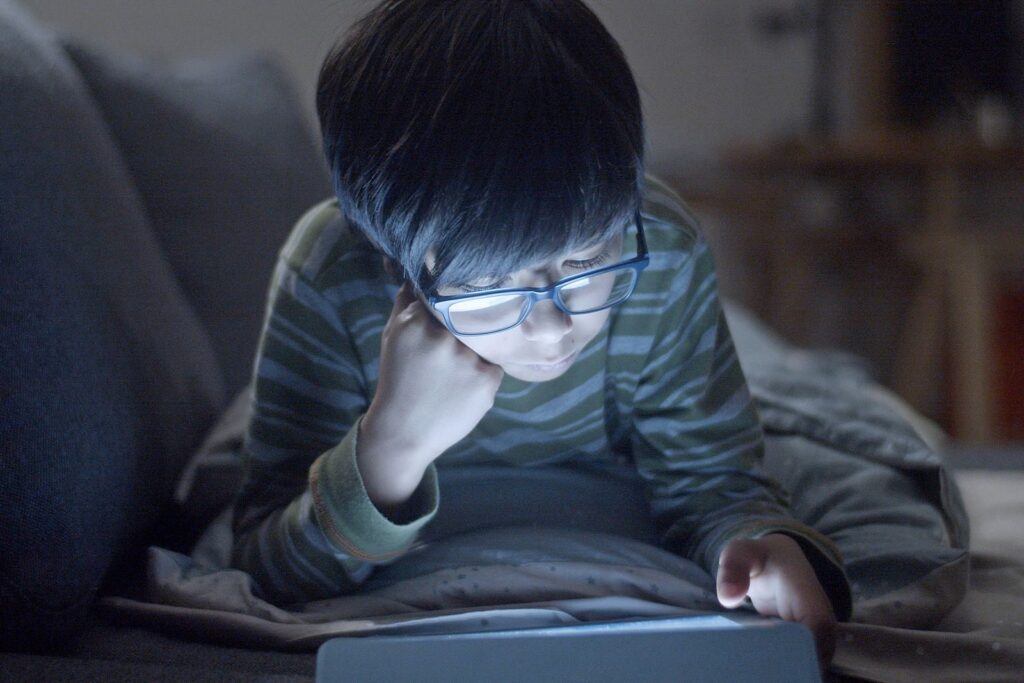
As a parent, you watch for a lot of things. You notice when your child is coming down with something, when they seem off, when something has changed. But vision problems are not always easy to spot, and children often do not recognize or report them on their own. If a child has never seen clearly, they may simply assume everyone sees the world the way they do.
That is one of the reasons regular eye exams are such an important part of childhood health, and why waiting for obvious signs before scheduling one can mean missing problems that are much easier to address early.
Here is what parents in Northwest Arkansas should know about children’s eye exams, when to schedule them, and what to watch for in between visits.
Why Children’s Eye Exams Matter
Vision plays a central role in how children learn, develop, and interact with the world around them. It is estimated that a significant portion of classroom learning is visual, which means an uncorrected vision problem can quietly affect a child’s ability to read, focus, and keep up with their peers before anyone connects the dots.
Vision screenings at school or the pediatrician’s office are a helpful starting point, but they are not a substitute for a comprehensive eye exam. These screenings typically check distance vision and may miss common problems like farsightedness, astigmatism, and conditions that affect how the eyes work together. A comprehensive exam by an eye care professional evaluates much more than how well a child can read a chart.
When Should Children Have Their First Eye Exam?
Current pediatric eye care guidance supports early vision assessment in infancy, another exam in the preschool years, and ongoing follow-up as recommended by your eye doctor. Children with risk factors, symptoms, or a failed screening may need more frequent care. If you are unsure what schedule is right for your child, your eye doctor can help you determine the appropriate cadence based on their individual history and needs.
Many parents are surprised to learn that eye exams for infants and toddlers are possible and genuinely informative. Eye care professionals use techniques that do not require a child to read letters or describe what they see, making early exams accessible even for very young children.
Signs Your Child May Have a Vision Problem
Because children often do not know their vision is different from everyone else’s, parents and teachers are usually the first to notice something is off. Common signs worth paying attention to include:
- Sitting very close to the television or holding books and devices close to their face
- Squinting or tilting their head to see better
- Frequent eye rubbing, especially when not tired
- Complaints of headaches or eye pain, particularly after reading or schoolwork
- Losing their place while reading, skipping lines, or avoiding reading altogether
- One eye turning in or out
- Sensitivity to light
- Covering or closing one eye to see
Some of these signs are easy to attribute to other causes, which is another reason routine exams are valuable even when nothing seems wrong.
What Happens During a Children’s Eye Exam?
A comprehensive pediatric eye exam is thorough but designed to be comfortable and age-appropriate. Depending on your child’s age, it may include:
Vision testing. For older children, this involves reading a chart. For younger children and infants, the doctor uses other methods to assess how well each eye is focusing and tracking.
Eye alignment and movement. The doctor checks how well the eyes work together and whether they are properly aligned. Issues like strabismus (eye turning) and amblyopia (lazy eye) are easier to treat when caught early.
Focusing ability. The doctor evaluates how well your child’s eyes can shift focus between near and far distances.
Eye health evaluation. The internal and external structures of the eye are examined for any signs of disease or abnormality.
Prescription check. If your child needs corrective lenses, the doctor will determine the right prescription, even if your child is too young to give verbal feedback.
Exams typically go smoothly, even with young or nervous children. Eye care professionals who work with kids are accustomed to making the experience low-key and reassuring.
What About School Vision Screenings?
School vision screenings are helpful, but they only catch certain problems. A child can still have farsightedness, astigmatism, or an eye alignment issue and pass a screening without anything being flagged. A comprehensive exam by an eye care professional evaluates much more than how well a child can read a chart.
If your child has passed a school screening but you are still noticing signs of a vision problem, trust your instincts and schedule a comprehensive exam. A passing screening result does not rule out a vision issue.
Does Vision Insurance Cover Children’s Eye Exams?
Coverage varies by plan. Some children’s vision benefits include routine eye exams, while others may use medical insurance depending on the reason for the visit. If you are unsure what your plan covers, our team at Centerton Family Eyecare can help you sort it out before your appointment.
Caring for Your Child’s Vision in Northwest Arkansas
At Centerton Family Eyecare, we see patients of all ages, from young children to grandparents, and we understand how important it is to make kids feel comfortable from the moment they walk in. If your child has never had a comprehensive eye exam, or if it has been a while since their last visit, now is a great time to get them scheduled.
Early detection makes a real difference. Many vision conditions in children are highly treatable when caught in time, and giving your child clear, comfortable vision may help support their confidence, their learning, and their long-term eye health.
[Schedule Your Child’s Eye Exam]
Frequently Asked Questions
At what age should my child have their first eye exam? Pediatric eye care guidance supports early vision assessment in infancy, another exam in the preschool years, and ongoing follow-up as recommended by your eye doctor. Children with risk factors or symptoms may need more frequent care. Your eye doctor can help determine the right schedule for your child.
Can eye doctors examine babies and toddlers? Yes. Eye care professionals use techniques that do not require verbal responses or letter recognition, making comprehensive exams possible even for infants. Early exams can identify issues that are much easier to treat when caught before vision development is complete.
My child passed their school vision screening. Do they still need an eye exam? School screenings are helpful but only catch certain problems. A child can still have farsightedness, astigmatism, or an eye alignment issue and pass a screening without anything being flagged. A comprehensive eye exam evaluates much more and is not replaceable by a screening alone.
What are signs that my child might have a vision problem? Watch for squinting, sitting too close to screens, frequent headaches after reading, avoiding reading, losing their place on the page, one eye turning in or out, or rubbing their eyes when not tired. Children often do not report vision problems on their own, so these behavioral clues are important to notice.
How often should my child have an eye exam? Frequency depends on your child’s individual history, risk factors, and whether any vision problems have been identified. Children with a prescription, a family history of eye disease, or a diagnosed condition may need more frequent visits. Your eye doctor will recommend the right schedule.
Will my child need glasses after their first exam? Not necessarily. If corrective lenses are needed, getting them early can prevent other problems from developing, including amblyopia (lazy eye), which is much easier to treat in younger children.