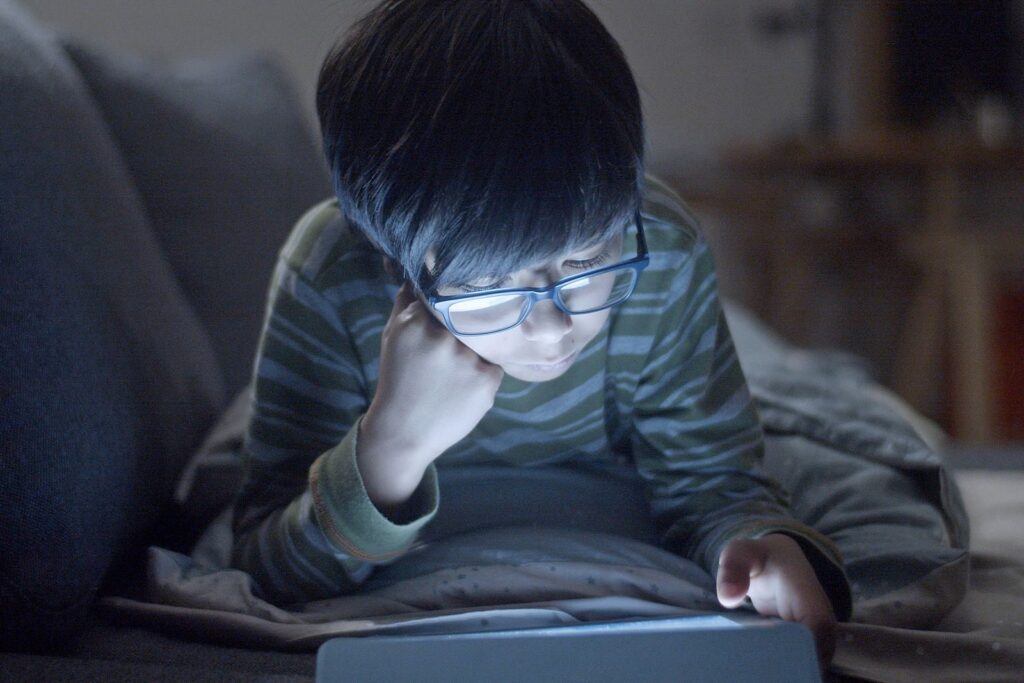
You put your glasses on every morning without thinking twice. But if your prescription has changed, those lenses may not be giving you the clear, comfortable vision you expect. Vision changes happen gradually, and wearing an outdated prescription can affect more than just how well you see; it can impact your comfort, focus, and daily life.
Here are five signs it’s time to book a comprehensive eye exam in Centerton.
1. You’re Getting Frequent Headaches
If you’ve been dealing with recurring headaches (especially after reading, working at a computer, or doing anything that requires close focus), your eyes may be working harder than they should.
When your prescription is off, your visual system has to compensate, which puts strain on your eye muscles and can lead to tension headaches often felt around the forehead or behind the eyes. It’s one of the most overlooked signs of an outdated prescription, and one of the most common things patients mention once they finally get updated lenses.
2. You’re Squinting More Than Usual
Squinting is your eyes’ natural response when vision isn’t clear. It helps reduce blur by limiting the amount of light entering your eye and increasing depth of focus, but it’s a workaround, not a fix.
If you find yourself squinting to read a menu, see a sign down the road, or make out text on your screen, even while wearing your glasses, that’s a strong sign your prescription may need updating.
3. Your Vision Seems Blurry or “Off”
Blurry vision is one of the most common signs you need a new prescription. It can show up at distance, up close, or both; and a lot of people adapt to the change so gradually they don’t notice until it’s quite significant.
You might also notice increased glare or halos around lights, especially while driving at night. While these symptoms often point to a prescription change, they can also be related to other conditions like dry eye or cataracts. That’s another reason a comprehensive exam matters, not just a quick prescription check.
4. You’re Holding Things Closer or Further Away to See Them
Have you started pushing your phone further away to read a text? Or leaning closer to your screen at work? These small adjustments are your body’s way of compensating for a vision correction that no longer matches your actual needs.
This is especially common with age-related near vision changes (presbyopia), which typically begin around your 40s. If you’re consistently repositioning objects, or repositioning yourself, just to see clearly, it’s time to have your eyes looked at.
5. Your Eyes Feel Tired or Strained by the End of the Day
Eye fatigue at the end of the day isn’t always just a screen time problem. An outdated prescription can force your eyes to work harder than they should all day long, leading to dryness, burning, or that heavy, tired feeling that’s hard to shake.
You may also notice difficulty focusing or switching between near and distance vision. With the right prescription, your eyes shouldn’t have to work that hard, and you’ll likely notice the difference quickly once yours is updated.
How Often Should You Get an Eye Exam?
Even if you’re not experiencing any of these symptoms, most adults should have a comprehensive eye exam every one to two years, according to the American Optometric Association. You may need more frequent visits if you:
- Are over age 60
- Have diabetes or other health conditions
- Have a family history of eye disease
- Notice changes in your vision between exams
Regular eye exams do more than update your prescription. They also help detect early signs of conditions like glaucoma, macular degeneration, and cataracts before they become bigger problems.
Schedule an Eye Exam in Centerton, AR
If any of these signs sound familiar, it may be time to update your glasses prescription. At Centerton Family Eyecare, we provide comprehensive eye exams for patients in Centerton, Bentonville, and across Northwest Arkansas.
Our team will evaluate your vision, update your prescription, and check your overall eye health so you can see clearly and comfortably every day.
Book An AppointmentFrequently Asked Questions
How do I know if my glasses prescription is outdated? Common signs include blurry vision, frequent headaches, eye strain, squinting, and trouble seeing clearly at night. If you’re noticing any of these, schedule a comprehensive eye exam to confirm whether your prescription has changed.
How often should I update my glasses prescription? Most adults should have an eye exam every one to two years. Your eye doctor may recommend more frequent visits depending on your age, health history, and vision needs.
Can wearing an old prescription damage my eyes? Wearing an outdated prescription won’t permanently damage your eyes, but it can cause unnecessary strain, headaches, and fatigue. Updating your prescription helps ensure clear and comfortable vision.
Is blurry vision always a sign of a prescription change? Not always. Blurry vision can also be caused by dry eye, certain medications, or underlying eye conditions. A comprehensive exam can determine the actual cause and the right solution.
What happens during an eye exam? A comprehensive eye exam includes vision testing, a prescription check, and a full evaluation of your eye health. Your doctor will also screen for conditions like glaucoma, cataracts, and macular degeneration.
What’s the difference between an eye exam and just getting my prescription updated? A comprehensive eye exam does more than update your prescription. It also checks the overall health of your eyes and can even catch early signs of systemic health issues like high blood pressure and diabetes.